March 22, 2024
Research diary: Sarasa





March 22, 2024
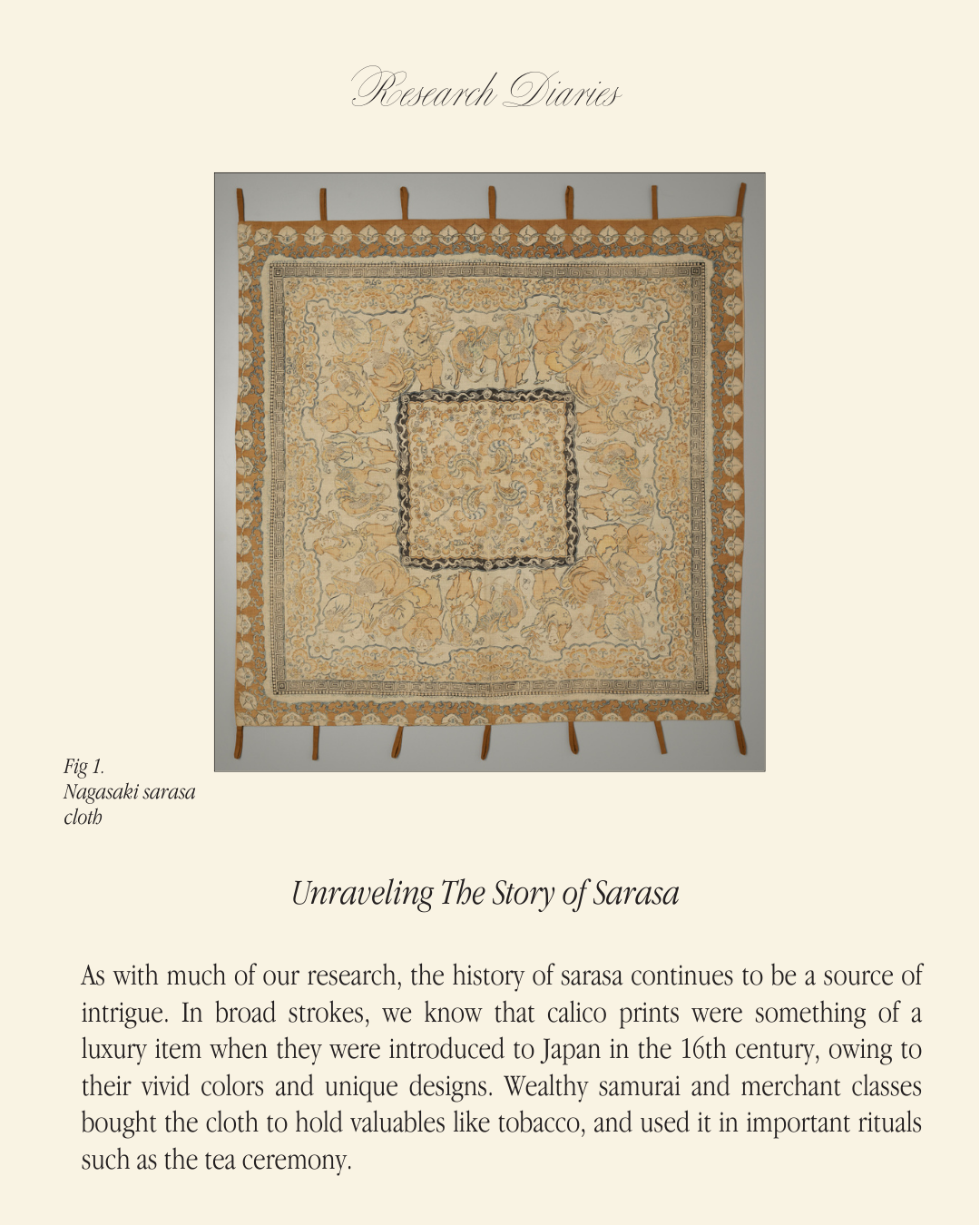
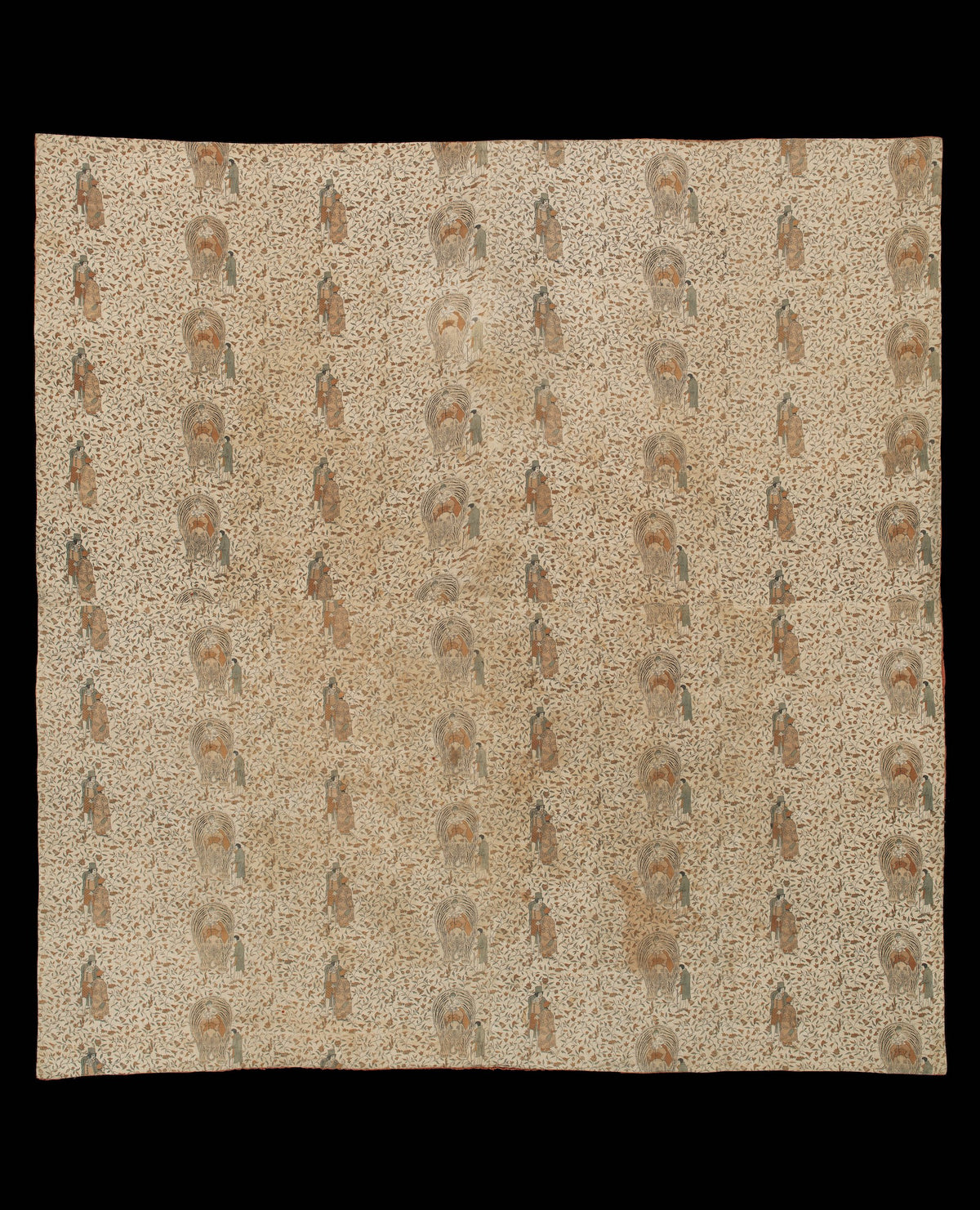
When a print becomes ubiquitous, it’s sometimes difficult to pinpoint an exact origin story. Such is the case with paisley, and today, writing on sarasa, we find ourselves facing down similar ambiguities. For example: in Japan, the tradition of sarasa began when artisans sought to imitate the calico print of India. But was it brought there by Dutch or Portuguese traders? And when, exactly, did this exchange take place? Such is the mystery of global trade. As with much of our research, the history of sarasa continues to be a source of intrigue.


In broad strokes, we know that calico prints were something of a luxury item when they were introduced to Japan in the 16th century, owing to their vivid colors and unique designs. Wealthy samurai and merchant classes bought the cloth to hold valuables like tobacco, and used it in important rituals such as the tea ceremony.


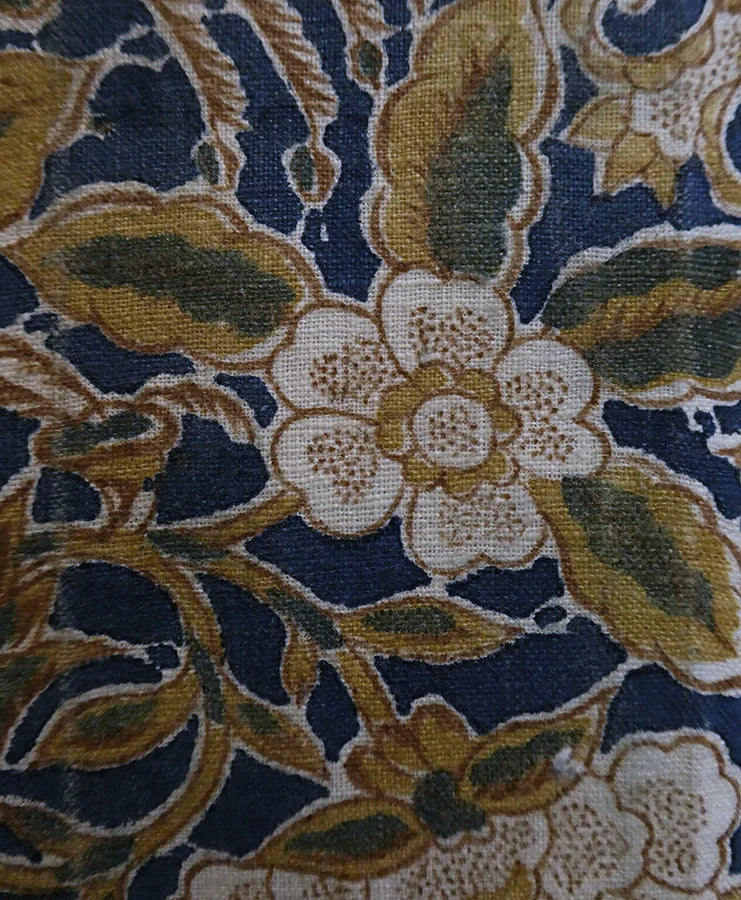
Later, local artisans were able to mimic the prints using techniques like katazome (which just so happens to be the inspiration for our Ester print). Domestic sarasa was widely produced and, thus, slightly less expensive than the imported alternative. It incorporated local motifs, geometric designs, and Buddhist iconography. Though still costly, sarasa became available throughout Japan, and its usage expanded to everyday kimonos as well as to futon covers by the late 19th century.


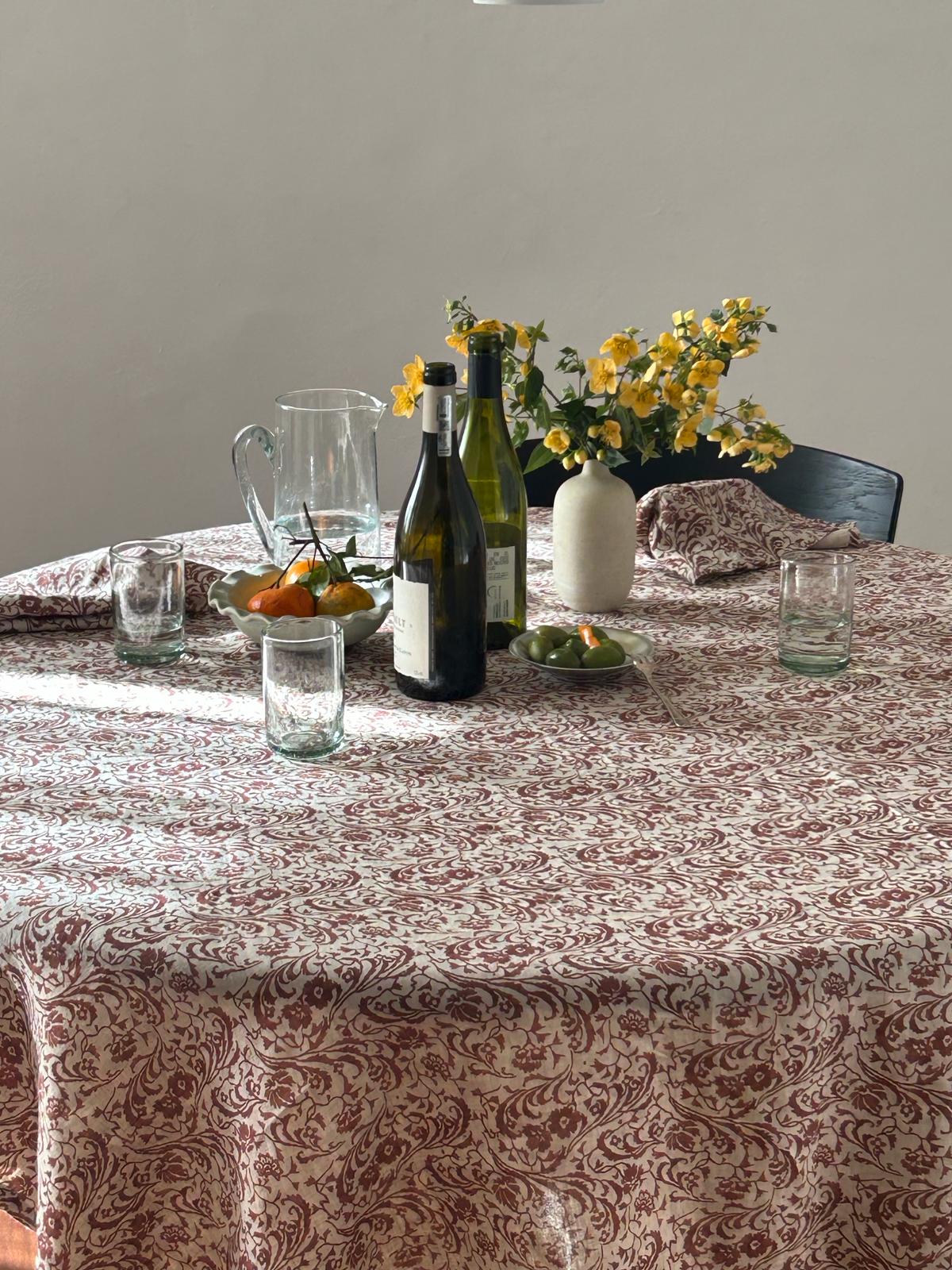
Today, very few fragments from the heyday of handwoven sarasa remain. The craft all but halted with the introduction of European textile machinery in the early 20th century. In the A.S. universe, however, sarasa lives on in our Ingrid print. Digitally printed for a sharp rendering of the design, Ingrid is nonetheless a nod to a centuries old tradition of truly masterful artisanship.


Helena’s stripe has its roots in Edo-period Japan (1603–1868), where the humble woven stripe became one of the most quietly expressive patterns of its age.
Designed with Alessandra Williams, Hanna is a quiet study in geometry and place, now back in stock. Here, the three places behind the print: the facades of Ostuni, the mosaic floors of Matera Cathedral and the marble inlays of Monopoli.
Kerrilyn Pamer founded CAP Beauty after a celiac diagnosis sent her digging into what she ate and what she put on her skin. Now in Silver Lake, she talks plants, gardening and summer food.
Ashley Olmstead runs Quail Store outside Philadelphia, a shop built to reject commodity and celebrate craft. She talks curation, paying attention, and the best gift she ever received: a pack of pens.
You're on the list!
We'll email you when this item is back in stock.
Notify me when available
Enter your email and we'll let you know when this item is back in stock.
We don't share your email with anybody